
A sexual health glow up is all about your wants, needs, and desires.
It means having open conversations— with your partners and healthcare providers. Whether you're navigating a new sexual relationship, exploring your sexuality, planning for pregnancy, managing menopause, or simply wanting to feel your best, your sexual health matters at every stage of life.
A glow up isn't just about looking good—it's about feeling confident, empowered, informed, and in control. Ready to make your sexual health glow up personal, powerful, and yours?
Watch the Videos
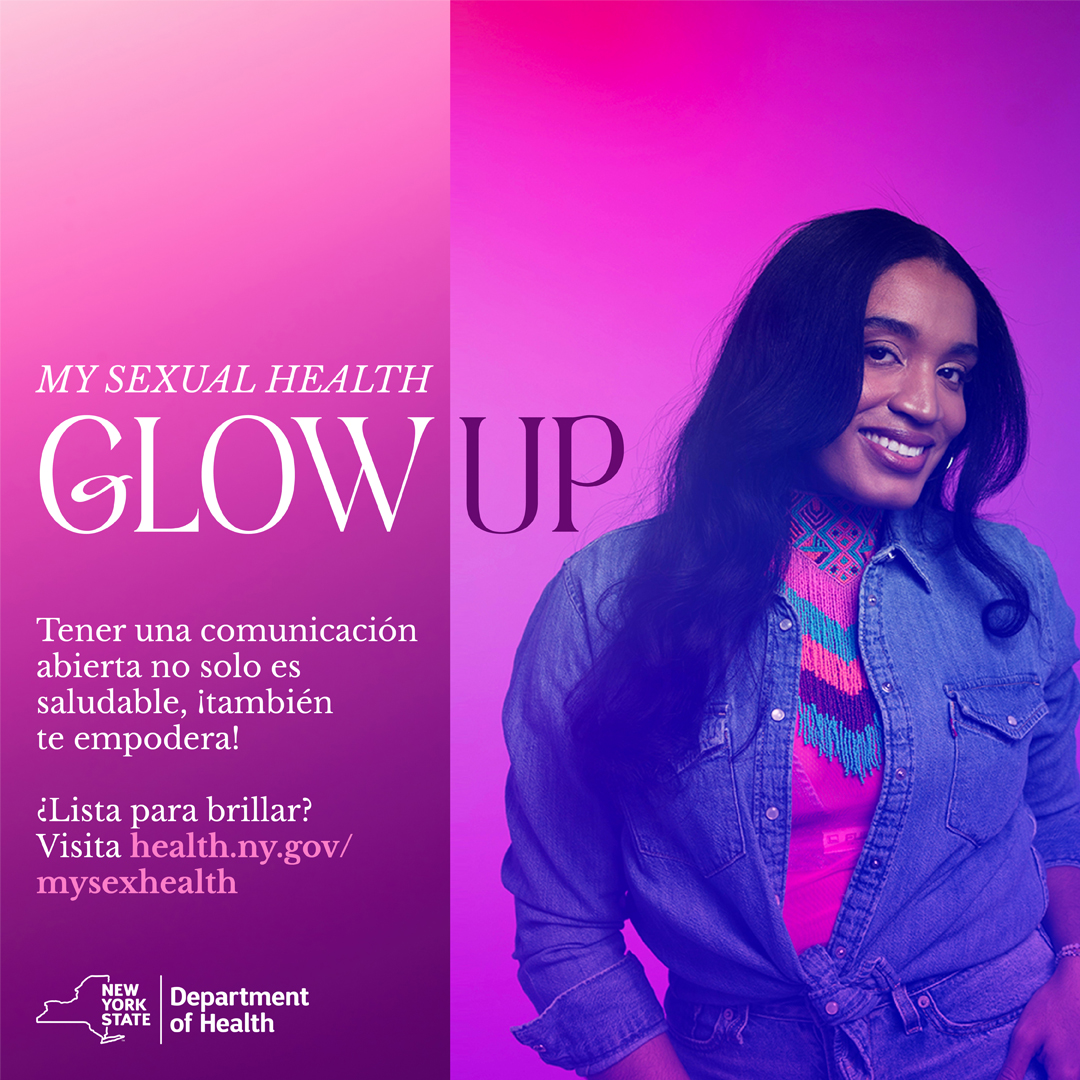
Download the Social Media Graphics
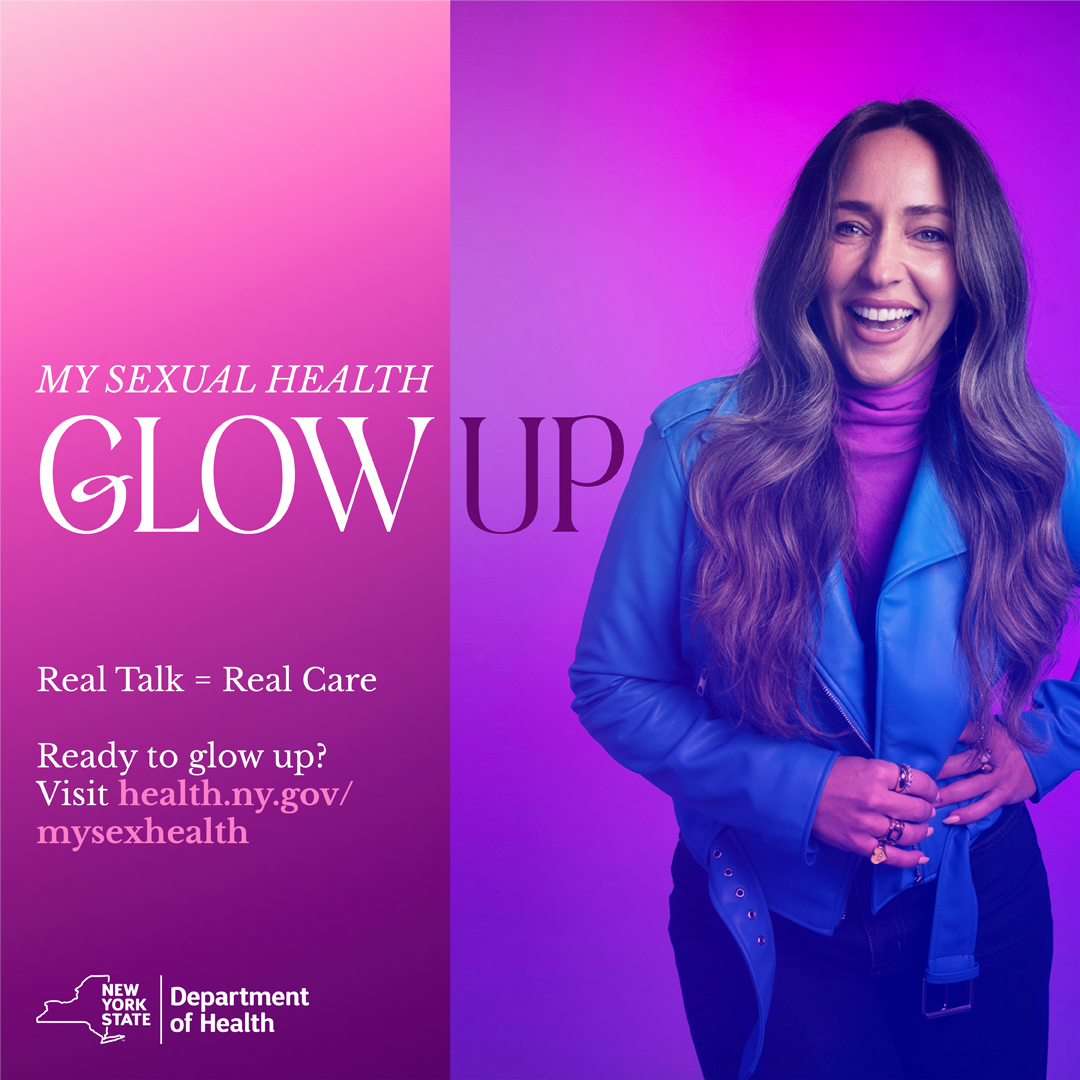
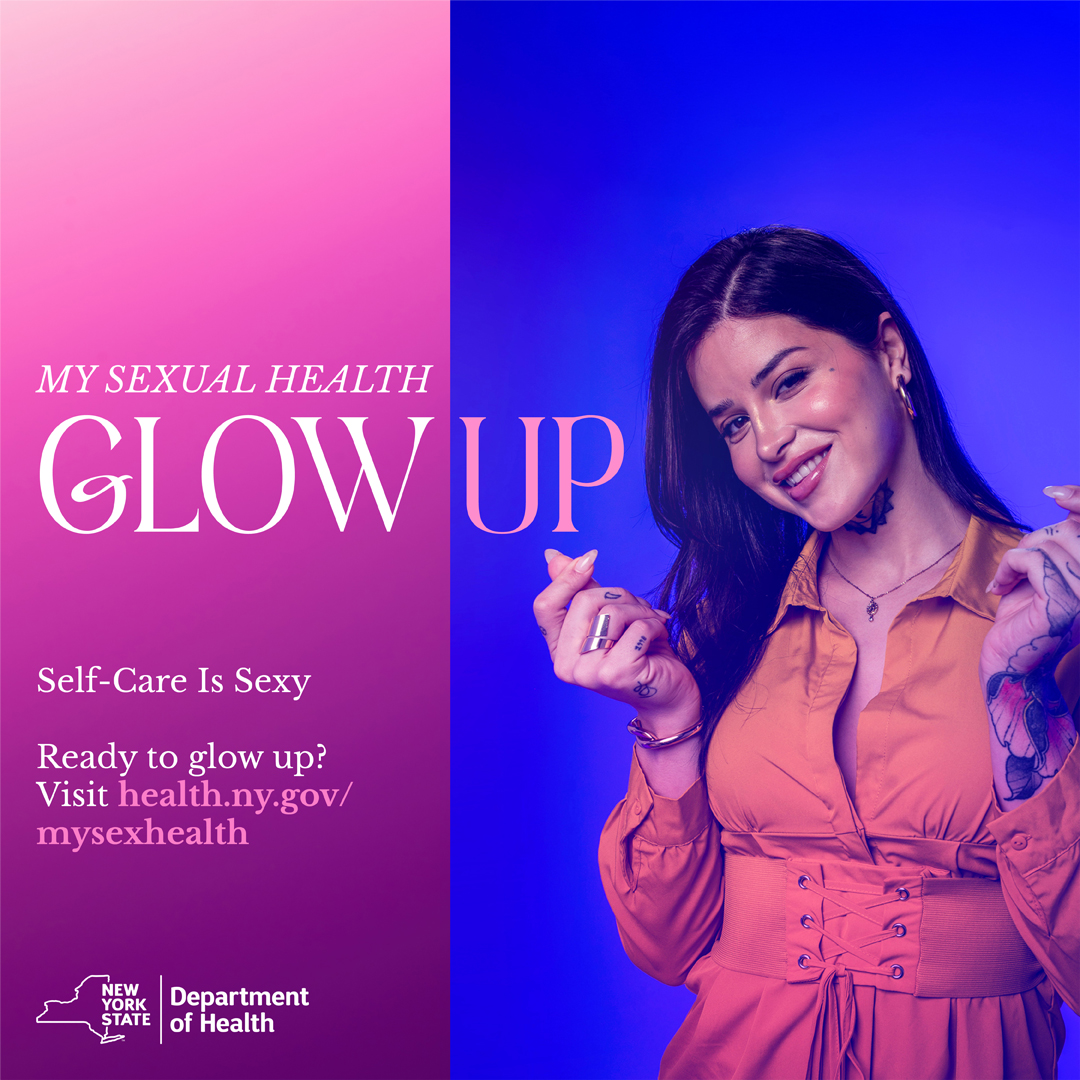
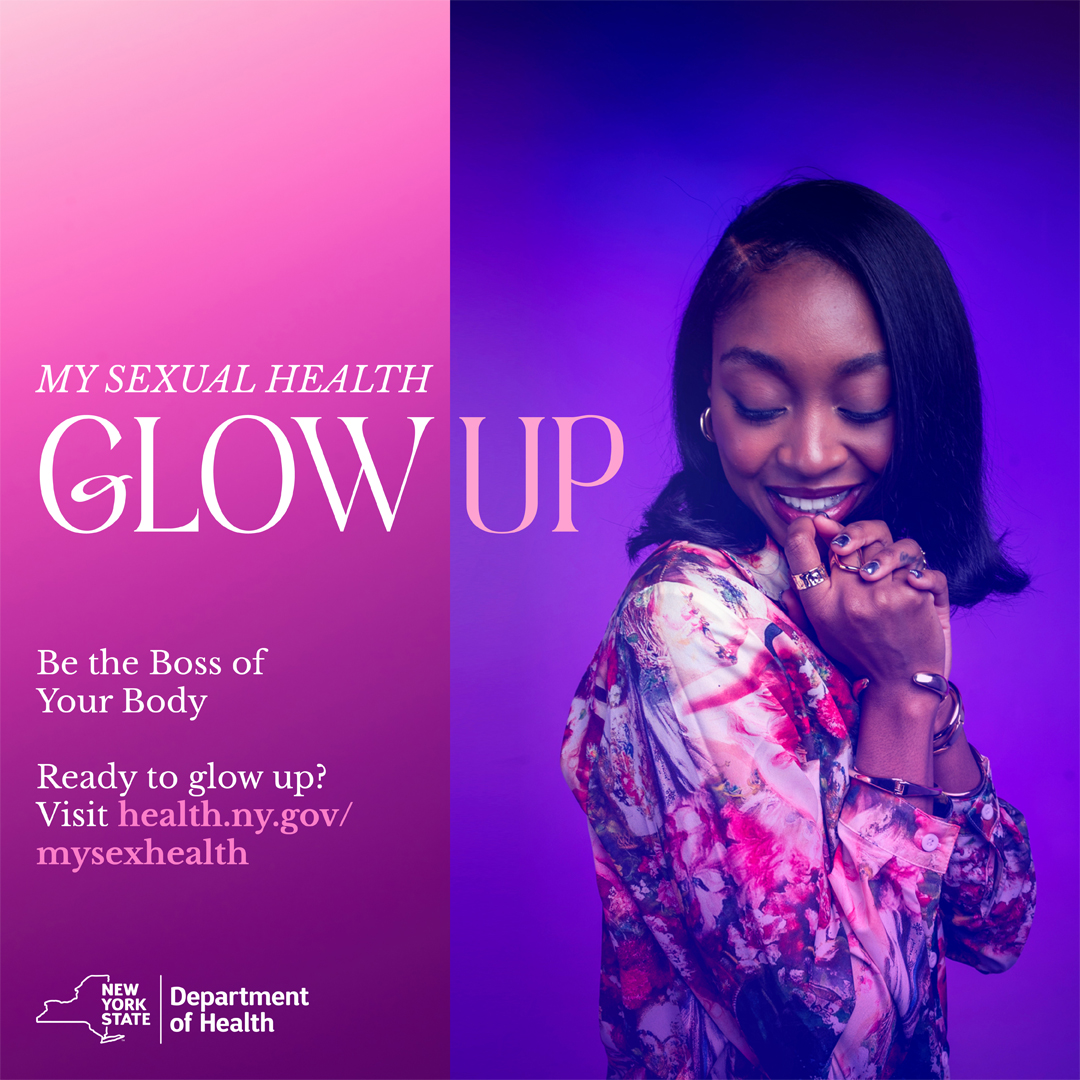
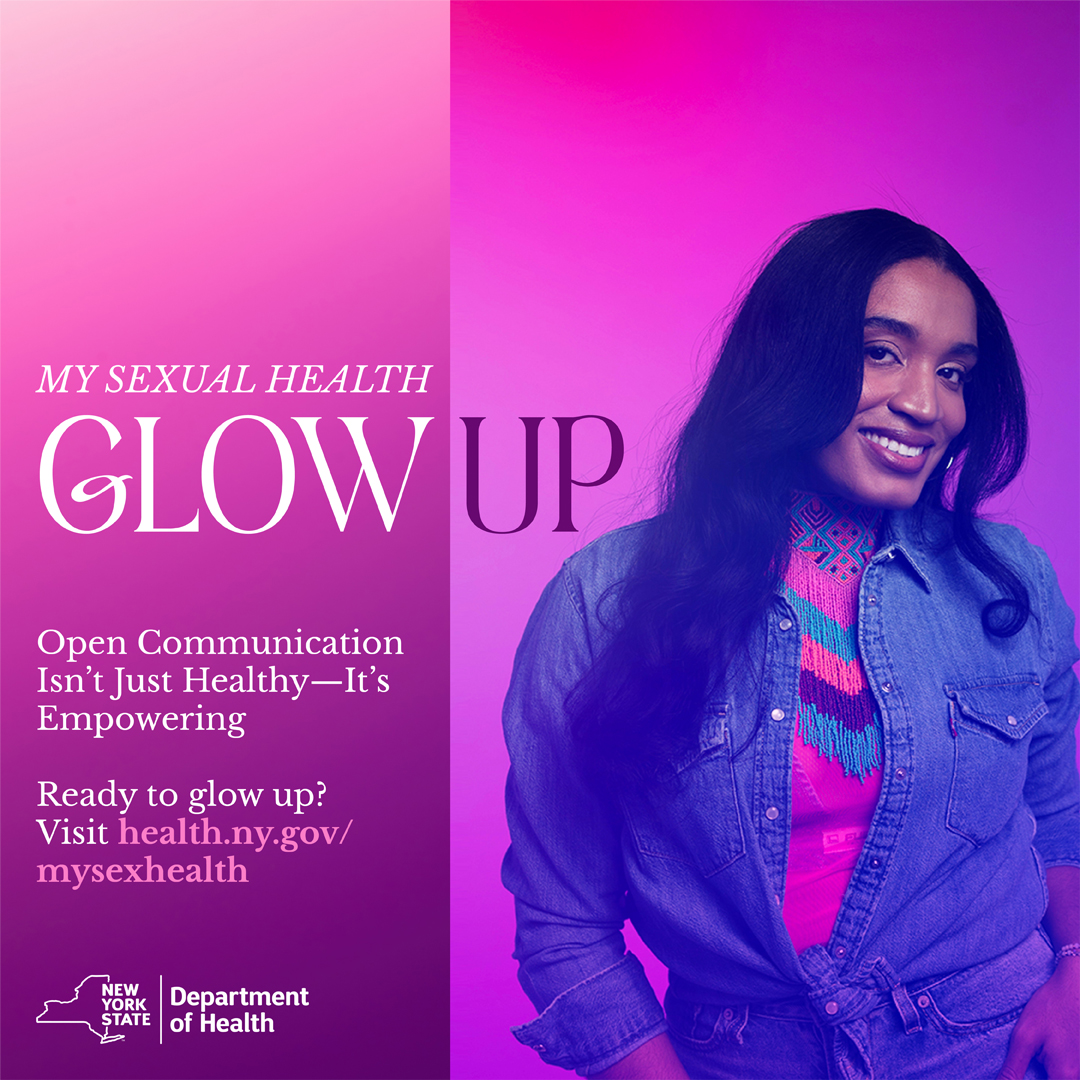
En Español
How to Join the Campaign
Download our social media toolkit (ZIP) to spread the word, spark conversation, and encourage other women to start their sexual health glow up.
Here's how to get involved:
1 - Use the Ready-to-Post Content
We've included sample captions, graphics, and videos you can post across Instagram, X, Facebook, and TikTok. Feel free to copy and paste or customize them with your own voice.
2 - Share Your Own Story
Personal stories are powerful. Whether it's a selfie, a reel, or a quote–your truth matters. Tag us and use the campaign hashtag – #mysexhealthglowup – to amplify your voice.
Frequently Asked Questions
The American Sexual Health Association (ASHA) defines sexual health as, "the ability to embrace and enjoy our sexuality throughout our lives." Being sexually healthy means:
- Knowing that sexuality is a full and natural part of life and involves more than sexual behavior.
- Being able to have sexual pleasure, satisfaction, and intimacy when desired.
- Being able to talk about sexual health with others including sexual partners and health care providers.
- Being able to recognize and respect the sexual rights we all share.
- Having access to sexual health information, education, and care.
- Preventing sexually transmitted infections (STIs) and unplanned pregnancies, and getting care and treatment when you need it.
Talking with your sex partners about pleasure, desires, boundaries, and what keeps you both satisfied is part of your sexual health. That includes talking about what feels good during sex, whether you need birth control, or if you have a sexually transmitted infection (STI). Talking openly and honestly with your sex partner(s) isn't just healthy—it's empowering!
This may include:
- Being clear about what you want and what you don't want during sex
- Talking about what types of protection you will use before you have sex (condoms, dental dams, contraceptives, and PrEP, Etc.)
- • Talking about the last time you both were tested for sexually transmitted infections (STIs), including HIV (If unsure, ask to get tested together before having sex)
Consent is a clear, sober, and voluntary agreement to engage in specific sexual activity, which must be continuously communicated before, during, and after the encounter. (American Sexual Health Association)
Conversation starters when talking about consent:
- Let's talk about this first.
- Does this feel good?
- I like it when you….
- If I change my mind, we need to stop.
- We should decide on a safe word.
- Yes, that sounds like fun.
- I'm not into that; I like this instead.
- Is this OK with you?
- Would you like me to….?
- I'll tell you what turns me on….
You can explore the full sexual health resource site at campaigns.health.ny.gov/SexualHealth for information on prevention, testing, talking with partners and providers, and more.
If you have questions, you can contact the New York State Department of Health at stdc@health.ny.gov.
Your healthcare provider can help you decide which screenings or tests make sense for you based on your sexual history and if you have any symptoms. Getting tested for "everything" might include testing for HIV, chlamydia, gonorrhea, syphilis, herpes, or HPV. This might include getting a test for sexually transmitted infections (STIs) in your throat, vagina, and/or rectum. To make sure you get the testing you need, it is important to let your provider know what type(s) of sexual contact you’ve had (oral, anal, and/or vaginal). This way you can be tested at each site to make sure an infection isn’t missed.
If you want to be tested for "everything", let your healthcare provider know you would like a full sexual health screening including an HIV test. Find more information on talking with a health care provider here: campaigns.health.ny.gov/SexualHealth/Talk
When you come in for a full screening, you will likely get a blood test, be asked to pee in a cup, and get swabbed in your throat and rectum. You might also get a Pap smear where a healthcare provider takes a swab from your cervix.
For chlamydia and gonorrhea testing, your provider may take swabs from your cervix, rectum, or throat, depending on if you have vaginal, anal, and/or oral sex. You can get gonorrhea or chlamydia in your cervix (from vaginal sex), rectum (from anal sex), or throat (from oral sex) and you need a different test for each body part.
Regardless of your age, if you're sexually active, regular screening for sexually transmitted infections (STIs) is an important part of your sexual health. In New York State, sexually active individuals under the age of 18, may receive sexual health care without parental consent. Most sexually transmitted infections (STIs) can be cured, and all can be treated. Testing shows you what treatments, if any, you might need. Don't wait for symptoms to get tested. Often sexually transmitted infections (STIs) do not have symptoms or have symptoms that go away on their own even though you still have the infection. Talk to your healthcare provider about sexually transmitted infection (STI) and HIV screenings based on your individual needs and sexual activity. These screenings should be as routine as any other checkup—because taking care of yourself includes taking care of your sexual health.
Hepatitis C is a virus that affects the liver. It spreads through blood-to-blood contact – like sharing needles or other drug equipment – and sometimes through sex. If you've ever injected drugs, received a tattoo with equipment that may not have been properly cleaned, had a blood transfusion before 1992, or have HIV, you should talk to your healthcare provider about screening. The good news is that over 90 percent of people infected with hepatitis C can be cured with 8-12 weeks of pills. Early detection means early treatment—so ask your healthcare provider about screening. To learn more about hepatitis C visit Hepatitis C.
HIV PrEP (Pre-Exposure Prophylaxis) is a medicine that works very well to prevent HIV and can give you peace of mind about having sex. Medicaid and most other insurance plans cover PrEP as well as routine sexually transmitted infection (STI) testing. Help is available if you don't have insurance or if a co-pay or deductible is too high. For more information about PrEP (pre-exposure prophylaxis), visit Pre Exposure Prophylaxis (PrEP).
HIV PEP (Post-Exposure Prophylaxis) is a medicine that can stop HIV after you may have been exposed. HIV PEP works best when you start it as soon as possible, but not later than 72 hours after the exposure. If you think you were exposed to HIV, talk to a medical professional as soon as possible. You can:
- Call the NYS or NYC PEP hotline:
- Outside NYC: 844-PEP4NOW (844-737-4669)
- In NYC: 844-3-PEPNYC (844-373-7692)
- Talk with your primary care provider right away and ask if they can provide PEP.
- Go to the local emergency room right away. The PEP Can Prevent HIV if You Act Fast fact sheet has information about PEP and what to expect when you go for a PEP evaluation. Print this fact sheet and bring it with you to the emergency room.
If you test positive for chlamydia, gonorrhea, and/or trichomoniasis, ask your healthcare provider about Expedited Partner Treatment (EPT). Your healthcare provider can give you medicine or a prescription to take to your sex partner(s)—so your partner doesn't need their own appointment. This reduces your risk of reinfection by ensuring your partner(s) gets treated quickly. It's one more way to take charge of your sexual health.
For more information about EPT visit health.ny.gov/EPT.
Doxycycline Post-Exposure Prophylaxis or Doxy-PEP is a way to help prevent getting the sexually transmitted infections (STIs) chlamydia, gonorrhea and/or syphilis by taking the antibiotic doxycycline (pronounced dock-see-sigh-clin) after condomless sex. Doxy-PEP should be taken preferably within 24 hours, but no later than 72 hours after condomless sex (oral, anal, and/or vaginal sex when a condom is not used for the entire time).
Doxycycline Post-Exposure Prophylaxis or Doxy-PEP must be prescribed by a health care provider. Discuss your sexual activity with your healthcare provider to see if Doxy-PEP is right for you.
For more information about Doxy-PEP visit: health.ny.gov/doxypep
Absolutely. You can enjoy a healthy, pleasurable sex life throughout the menopausal transition and beyond. Many women have vaginal dryness or discomfort during sex around menopause, and there are solutions. Ask your healthcare provider about options that help like lubricants, vaginal moisturizers, and hormone treatments. Water-based or silicone-based lubricants can make sex more comfortable, and regular sex (alone or with a partner) can actually help maintain vaginal health. Sexually transmitted infections are possible at any age, including after menopause, so prevention and screening are still important.
Your sexual health matters at every stage. A health care provider can help you find solutions that work for you.
Using drugs or alcohol can impact your sexual health in important ways. Some people use drugs and alcohol to enhance pleasure, but they can affect your decision-making and make it harder to talk with partners about using protection and giving consent. They can also increase your risk of sexually transmitted infections (STIs) and HIV—especially if you're sharing needles or other drug equipment, which can pass on infections like Hepatitis C and HIV. If you use substances, talk to your healthcare provider about ways to stay safer, sexually transmitted infection (STI) and HIV screenings, and other resources. Your health care provider can connect you with support services and discuss options like PrEP if you're at risk for HIV. Taking care of your sexual health means taking care of your whole self—and your healthcare provider is there to support you without judgment.
- What sexually transmitted infections (STIs) and HIV screenings do I need?
- Am I up to date on my pap smear and HPV vaccine?
- Should I be screened for Hepatitis C?
- What birth control options are available, and which might work best for me?
- Is PrEP right for me to prevent HIV?
- How can I reduce my chances of getting or transmitting sexually transmitted infections (STIs) while staying sexually active?
- I'm experiencing pain or discomfort during sex—what could be causing this?
- How do hormonal changes (like menopause or perimenopause) affect my sexual health?
- What can I do about vaginal dryness?
- What can I do about low sexual desire?
- I'm thinking about getting pregnant—what do I need to know about preconception health?
- How can I track my fertility?
- How can I understand my menstrual cycle better?
- If I test positive for a sexually transmitted infection (STI), can my partner(s) get treated without a separate appointment?
- Are there any symptoms I should watch for that might indicate a sexually transmitted infection (STI)?
- How often should I be getting breast exams or mammograms?
- What resources are available if I need support around sexual health or reproductive decisions?
You can explore the full sexual health resource site at campaigns.health.ny.gov/SexualHealth for information on prevention, testing, talking with partners and providers, and more. If you have questions, you can contact the New York State Department of Health at stdc@health.ny.gov.